
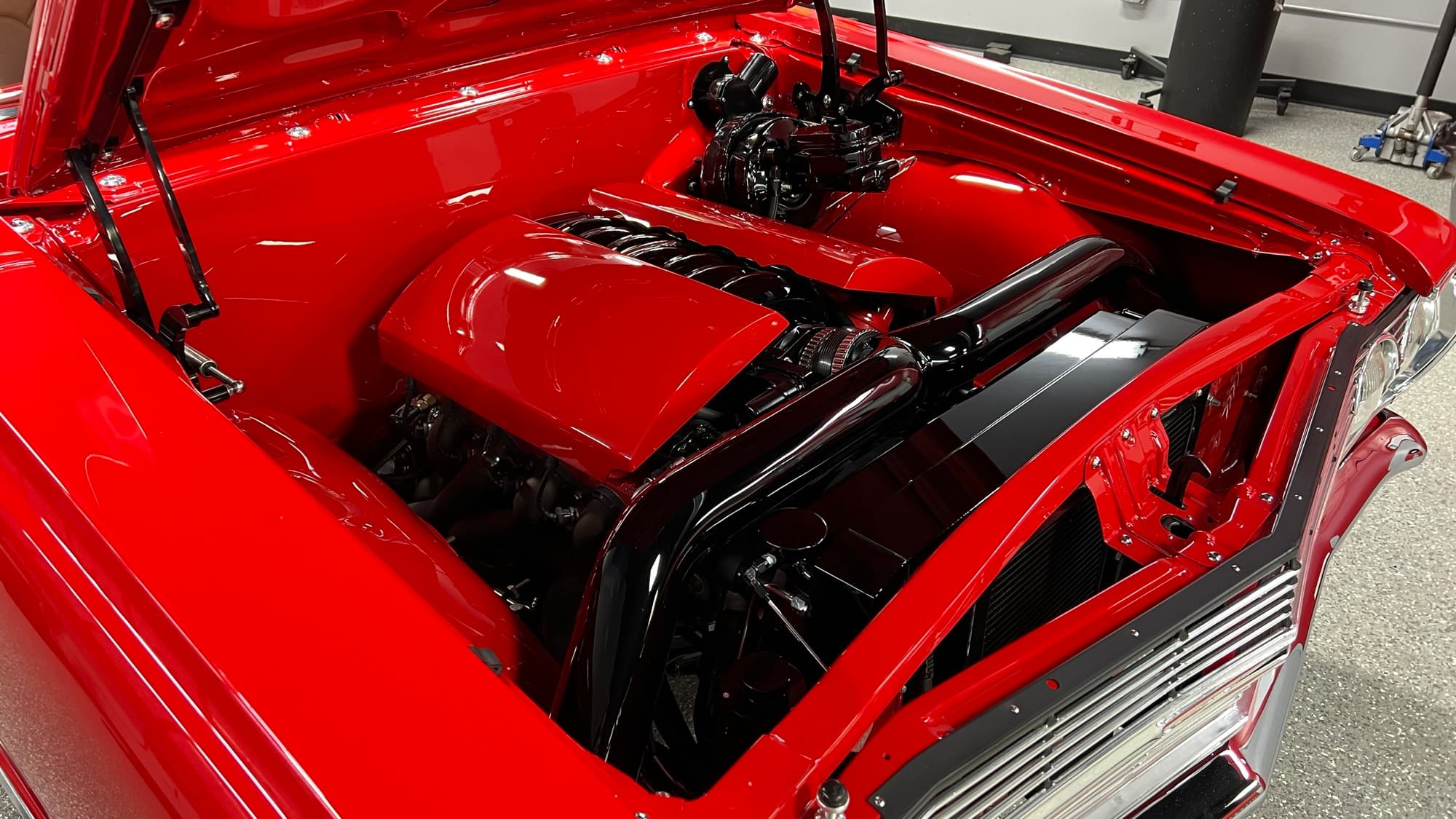
Short answer: Engine bay detailing is a careful, low-pressure cleaning process that removes oil residue, road grime, and dust from the engine bay without introducing water into electrical connectors, sensors, or the intake. Done correctly, it doesn't just look better — it makes leaks and wear easier to spot and signals maintenance history to any mechanic or future buyer.
Why the Engine Bay Gets Skipped
Most detail packages focus entirely on paint and interior because that's what the customer sees first. The engine bay takes more time, more caution around electronics, and doesn't photograph as dramatically as a coated hood — so it's the first thing cut from a standard package. It's also the area most likely to get damaged by someone who doesn't know what to avoid.
What Actually Happens During a Safe Engine Bay Detail
- Cool engine only — never detailed hot, to avoid thermal shock on components
- Sensitive components bagged or covered — alternators, exposed electrical connectors, and air intakes are protected before any liquid touches the bay
- Low-pressure application — degreaser applied by hand or low-pressure sprayer, never a pressure washer aimed into the bay
- Agitation with soft detailing brushes — worked into caked-on grime around the firewall and fender wells without scrubbing hoses or wiring
- Controlled rinse and air-dry — low-pressure rinse followed by compressed air to clear water from connector housings
- Dressing on plastic and rubber only — never on belts or pulleys, where it can cause slipping
Why It Matters Beyond Looks
A clean bay makes a leak visible the day it starts instead of months later once it's tracked grime everywhere. It's also one of the fastest tells for a private-party buyer or a mechanic doing a pre-purchase inspection — a bay that's never been touched signals a car that's likely been under-maintained in other ways too, whether or not that's actually true.
How Often Should It Be Done?
Once or twice a year for most daily drivers is enough to keep grime from building into a multi-hour job. We typically include it as an add-on with a full correction or major detail visit rather than as a standalone frequent service.
Frequently Asked Questions
Is it safe to detail a modern engine bay with all the electronics?
Yes, when done by someone who knows which components to cover and how much water pressure is safe. This is exactly the kind of job where a DIY pressure washer causes the problems people are trying to avoid.
Will detailing the engine bay void any warranty?
No — proper low-pressure hand detailing doesn't introduce water anywhere a manufacturer wash wouldn't. We avoid high-pressure equipment specifically to keep it that way.
Can I add this to a coating or correction appointment?
Yes, it's a common add-on. Book an inspection and mention the engine bay when scheduling so we can plan the extra time.
Ready for a full detail, inside, out, and under the hood? Book an appointment at The Recon Pros in Huntington Beach.